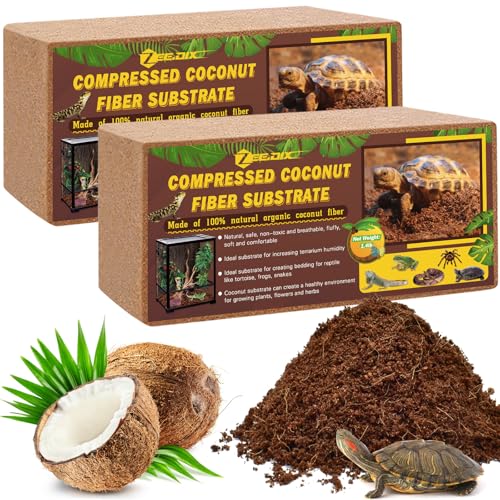
The best tarantula substrate is a compressed coconut fiber (coco coir) brick, which holds burrows, buffers humidity, and stays mold-resistant without chemical additives. For most keepers, an organic coconut husk product offers the safest, most affordable footing across both terrestrial and arboreal species.
2-4x
Burrow depth vs. body length for fossorial species
60-75%
Typical humidity range for tropical tarantulas
5-7L
Expanded volume from one standard 650g coir brick
0
Additives, fertilizers, or pesticides safe substrate should contain
Substrate is not just the floor of your tarantula’s enclosure; it is the single most important husbandry tool you control. The right bedding regulates humidity, supports burrow construction for fossorial species, cushions falls for top-heavy arboreals, and resists the mold and mite outbreaks that quietly kill more spiders than any predator. As a veterinarian who fields exotic invertebrate cases, I see most “mystery” tarantula deaths trace back to wet, compacted, or chemically treated bedding.
When choosing a substrate, look for plain organic coconut fiber (coco coir) with no fertilizers, perlite, or added pesticides. It should expand to a fluffy, slightly springy texture that holds a burrow without turning to soup. Prioritize compressed bricks for value and storage, confirm the product is rinsed of excess salts, and match depth and moisture to your species rather than buying a one-size-fits-all bag.
Why this matters A surprising number of tarantula losses blamed on disease are actually chronic over-hydration of the substrate. Coconut fiber holds water deceptively well, and a surface that looks dry can sit over saturated, oxygen-poor layers that stress the book lungs and invite fungal infection. I advise keepers to judge moisture by the bottom layer, not the top, and to err drier for any species whose natural range is not genuinely tropical.