As a veterinarian who sees a lot of reptiles, intestinal worms are one of the most common findings when a tortoise comes in for weight loss or a faecal check. The tricky part is that a healthy tortoise can carry a small number of parasites for a long time without looking sick at all. Problems start when the worm burden climbs, often because of stress, a new arrival, or a contaminated enclosure, and that is when owners begin to notice weight loss, loose droppings, or a fading appetite.
The good news is that worms in tortoises are very treatable once we know exactly what we are dealing with. The key is a simple faecal test, which tells me which parasite is present so I can choose the right medication at the right dose. In this guide I will explain what worms in tortoises actually are, the symptoms to watch for, how tortoises pick them up, how treatment and recovery work, and how to prevent reinfection. Throughout, my strongest advice is to avoid guessing and deworming on your own, because the wrong drug or dose can do real harm.
What Is Worms in Tortoises?
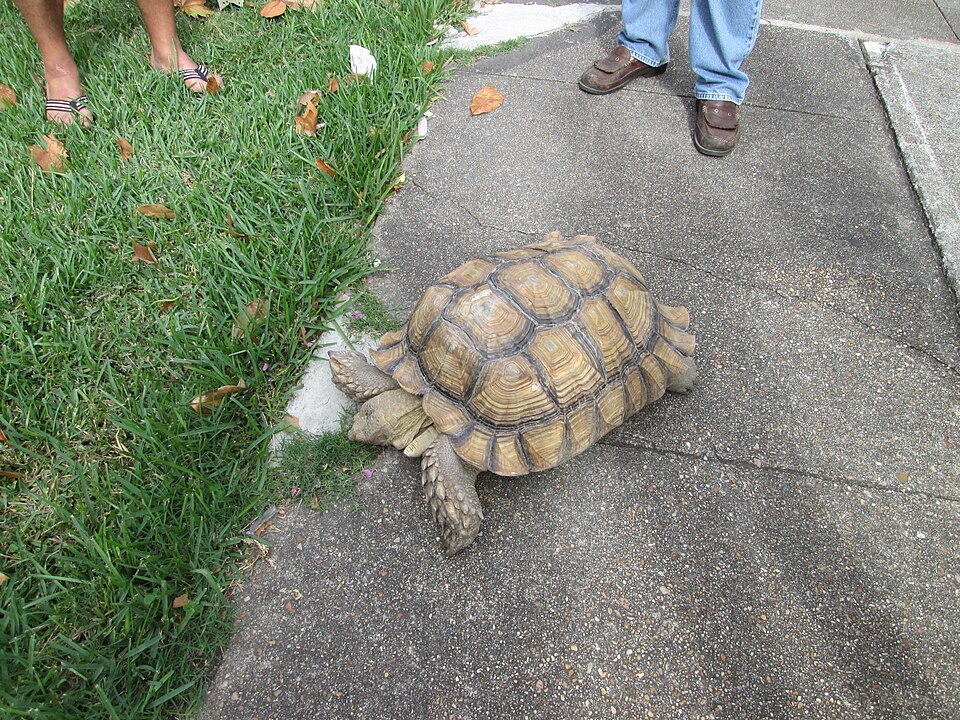
“Worms” is the everyday word for intestinal parasites that live in a tortoise’s digestive tract. The most common groups are nematodes such as pinworms (oxyurids) and roundworms (ascarids), and tortoises can also carry single-celled parasites like flagellates. Many of these live in a balance with the tortoise at low numbers and cause no harm, which is why parasites are a normal finding rather than an automatic emergency.
The illness happens when that balance tips. A heavy burden draws nutrients away from the tortoise, irritates the gut, and can cause diarrhoea, weight loss, and in severe cases a blockage from a mass of worms. Stress, poor husbandry, overcrowding, and introducing a new untested tortoise are the usual triggers that let parasite numbers rise. That is the central idea to hold onto: the goal is not to sterilise your tortoise of every parasite, but to keep the burden low and catch it when it climbs.
Symptoms to Watch For
Watch for the signs below, but remember that early or light infections often show nothing at all. Weight is the most useful thing you can track: weigh your tortoise regularly on a kitchen scale so you can spot a downward trend before it becomes obvious. Several signs together, especially with weight loss, are more concerning than one alone.
What Causes It
Tortoises almost always acquire worms by swallowing parasite eggs or larvae from their environment or from another infected animal. Knowing the routes helps you cut off reinfection later. I have grouped the common sources below.
Contaminated environment
- Eggs in soil, grass, or substrate
- Re-ingesting eggs from old droppings left in the enclosure
- Outdoor pens previously used by infected reptiles
New or untested tortoises
- Newly bought tortoises already carrying parasites
- Mixing tortoises without a quarantine period
- Overcrowding that raises egg exposure
Food and water
- Food grown in or laid on contaminated ground
- Shared water dishes between tortoises
- Wild plants from areas used by other reptiles
Stress and weak immunity
- Incorrect temperature or humidity weakening the tortoise
- Poor diet and dehydration
- Illness or recent travel lowering resistance
Treatment and Recovery
Treatment is straightforward once your vet knows the parasite involved. The path below shows how I handle a typical case. Notice that diagnosis comes first and follow-up testing comes last, because confirming the worms are gone is just as important as the initial treatment.
Collect a fresh faecal sample
Take a fresh dropping (ideally less than 24 hours old) to your reptile vet. A fresh sample gives the most accurate result when the vet examines it for parasite eggs.
Get a faecal examination
Your vet identifies which parasites are present and estimates the burden. This determines whether treatment is needed and which medication is appropriate.
Give the prescribed dewormer
Follow the exact drug, dose, and schedule your vet provides, weighed to your tortoise's body weight. Some treatments are repeated after a set interval to catch newly hatched worms.
Clean and disinfect the enclosure
Remove and replace substrate, and clean dishes and surfaces thoroughly to remove parasite eggs. This prevents the tortoise from being reinfected during and after treatment.
Recheck the droppings
Return for a follow-up faecal test when your vet advises, usually a few weeks later, to confirm the worms have cleared. Support recovery with warm soaks, correct temperatures, and a good diet.
Prevention and Home Care
Preventing worms is mostly about hygiene, quarantine, and keeping your tortoise strong enough to hold parasites in check. Work through this checklist, and pay special attention to quarantining any new arrival before it shares space or food with your existing tortoises.
- Have a faecal parasite check done at least once a year
- Quarantine and test every new tortoise before mixing it with others
- Remove droppings promptly and clean the enclosure regularly
- Replace substrate periodically to reduce egg buildup
- Wash food thoroughly and avoid plants from areas used by other reptiles
- Keep temperature, humidity, and diet correct for your species to support immunity
- Weigh your tortoise regularly to catch unexplained weight loss early
- Wash your hands after handling your tortoise or cleaning its home
Safety note: Never deworm a tortoise on your own with a guessed product or dose, because the correct medication depends on the parasite identified by a faecal test and an accurate body weight, and the wrong choice can harm your tortoise.